

- info@hlhmold.com
- +86-27-59089998
- ext 8020
- Room 507,Floor 5 ,Building E,Donghe Center,Wuhan Economic and Technological Development Zone, Wuhan, China
CAPABILITIES

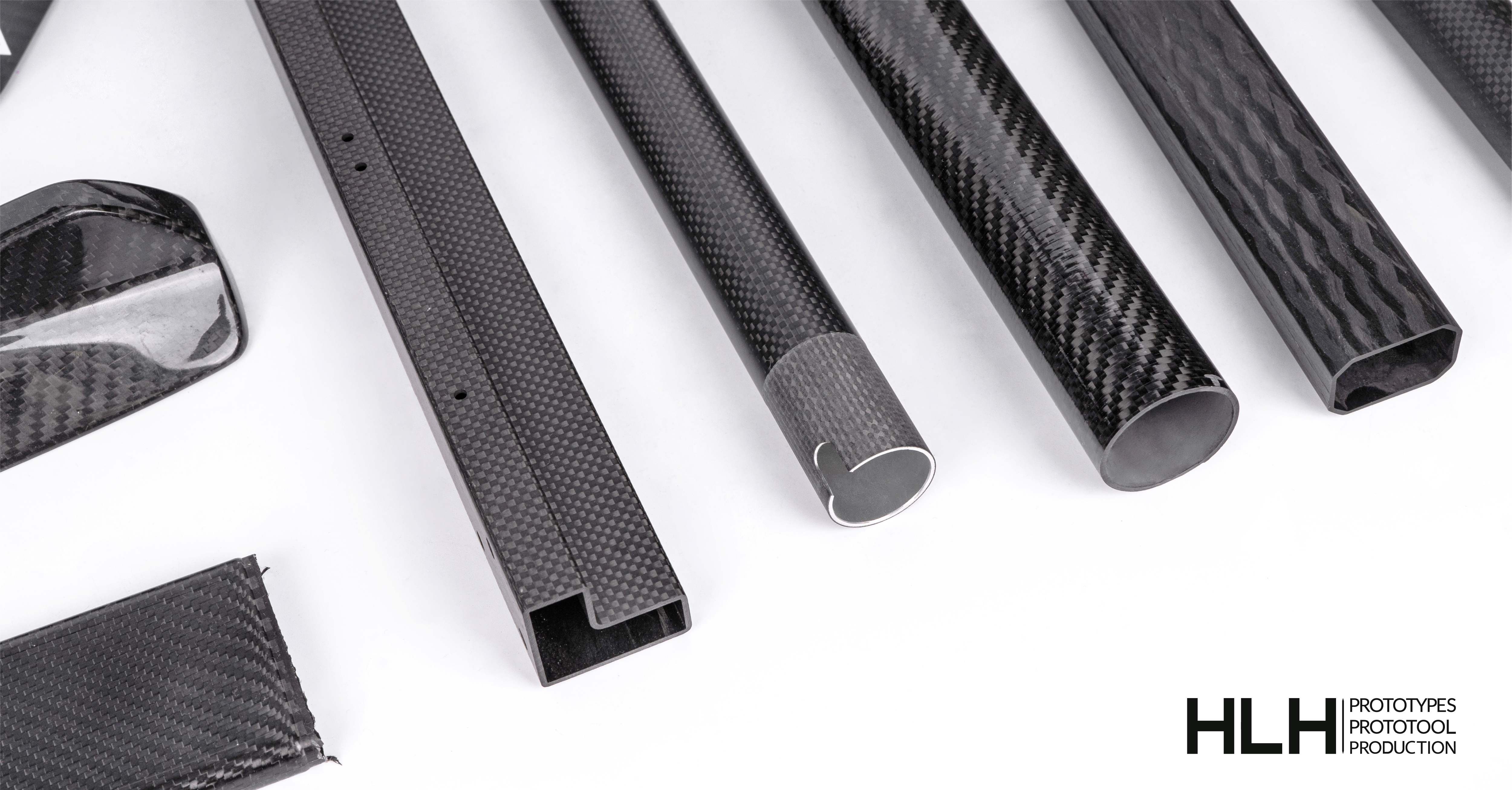
Material selection is one of the most important decisions in CNC machining. The material you choose directly affects part strength, weight, surface finish, machining time, cost, and overall product performance. For engineers and procurement teams, understanding the strengths and limitations of different CNC machining materials is essential for successful prototype manufacturing and low-volume production.
At HLH Fastparts, we support global customers in more than 100 countries with precision CNC machining services. With a 12,000 sq/m manufacturing facility, over 300 CNC processing machines, and more than 30 years of industry experience, we help customers select the most suitable materials for both prototypes and production parts.
Different materials behave very differently during CNC machining. Some materials cut easily and allow high-speed machining, while others require slower feeds, specialized tooling, and additional finishing processes.
Key factors influenced by material choice include:
Selecting the wrong material can increase cost, extend lead time, or result in prototypes that fail during testing.
Aluminum is one of the most commonly used materials in CNC machining due to its excellent machinability and balanced mechanical properties.
Common aluminum grades used in CNC machining include 6061 and 7075, which are widely applied in automotive, aerospace, and consumer electronics components.
At HLH Fastparts, aluminum CNC machining is frequently used for functional prototypes that require both strength and precision.
Steel and stainless steel are selected when higher strength, wear resistance, or environmental durability is required.
However, steel is generally harder to machine than aluminum, which increases machining time, tooling wear, and overall cost. Proper process planning is essential to achieve consistent quality.
With extensive CNC capacity and experienced engineers, HLH Fastparts delivers reliable steel and stainless steel machining for demanding applications.
Engineering plastics are widely used in CNC machining for applications where metal is not required. These materials offer design flexibility and cost advantages.
Plastic CNC machining is often used for housings, enclosures, electrical components, and lightweight mechanical parts.
HLH Fastparts supports a wide range of plastic CNC machining materials to meet functional and budget requirements.
Choosing the best CNC machining material requires balancing performance requirements with budget constraints.
Understanding these trade-offs helps engineers avoid unnecessary over-engineering.
Material selection directly impacts CNC machining lead time. Easily machinable materials like aluminum and plastics allow faster production, while hardened steels require slower machining and additional finishing.
HLH Fastparts optimizes material selection and machining strategies to reduce lead time without sacrificing quality.
Material selection is not just a technical decision—it is a strategic one. At HLH Fastparts, our engineering team provides design-for-manufacturing (DFM) feedback to help customers choose materials that meet performance requirements while controlling cost and delivery time.
With over 300 CNC machines, 100+ industrial 3D printing systems, and a global customer base, HLH Fastparts offers one-stop support from material selection to finished parts.
Selecting the right material is critical to the success of CNC machining projects. Aluminum, steel, and engineering plastics each offer unique advantages depending on performance, cost, and application needs.
With advanced equipment, deep industry experience, and global service capabilities, HLH Fastparts helps customers make informed material choices and deliver high-quality CNC machined parts efficiently.
CAPABILITIES