

- info@hlhmold.com
- +86-27-59089998
- ext 8020
- Room 507,Floor 5 ,Building E,Donghe Center,Wuhan Economic and Technological Development Zone, Wuhan, China
CAPABILITIES

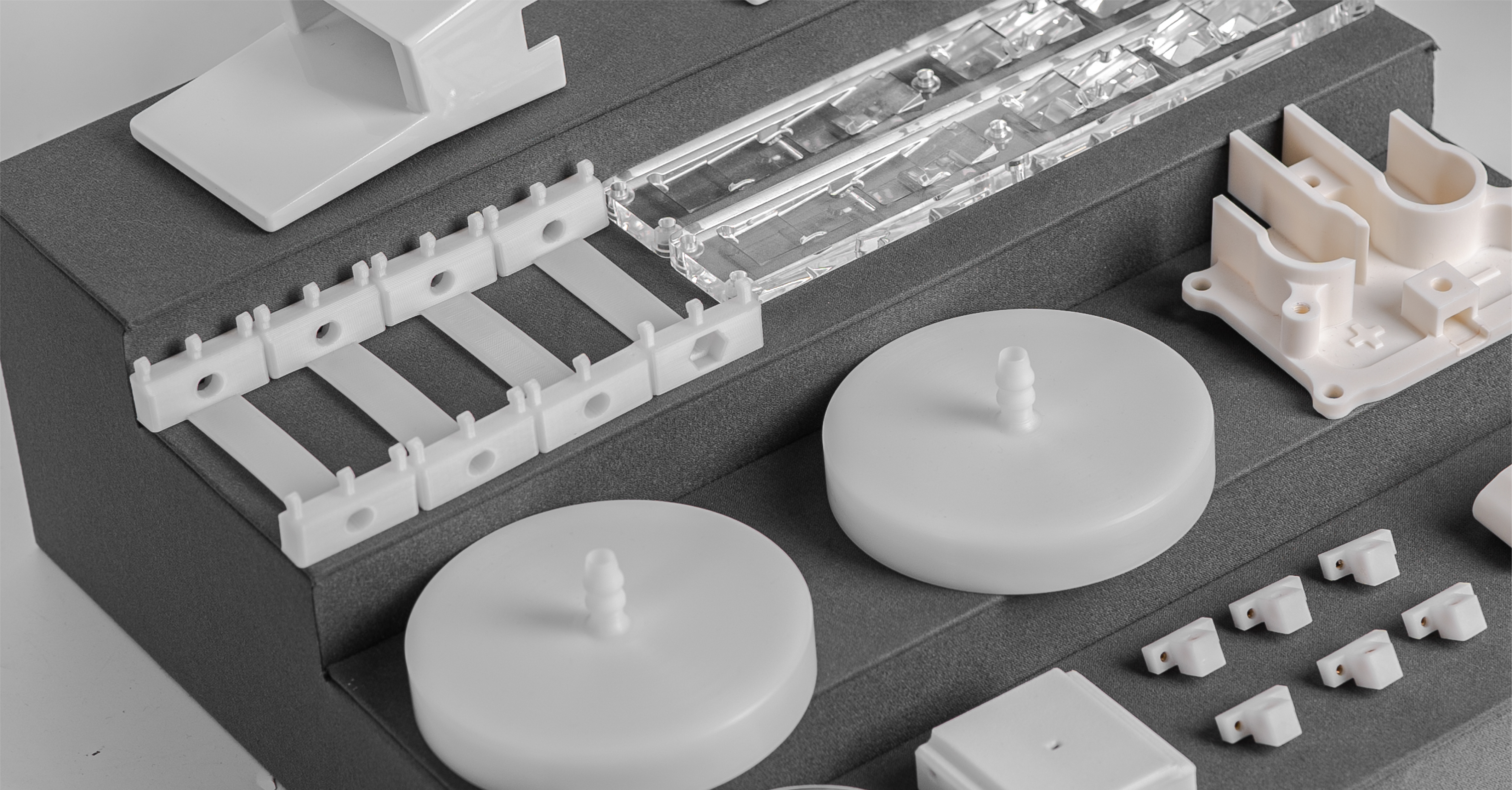
When developing CNC prototypes, cost and lead time are two of the most critical concerns for engineering and procurement teams. While geometry and tolerance often receive the most attention, material choice is one of the biggest hidden drivers of both CNC machining cost and delivery speed.
Different materials require different cutting parameters, tooling, machining strategies, and post-processing steps. Understanding how material selection impacts CNC prototype manufacturing allows companies to make smarter decisions early in the design phase.
At HLH Fastparts, we help customers worldwide optimize material selection for faster turnaround and better cost control. With a 12,000 sq/m manufacturing facility, more than 300 CNC processing machines, and over 30 years of industry experience, we support efficient CNC prototyping for customers in more than 100 countries.
CNC machining cost is not determined by material price alone. The machinability of a material plays a major role in overall project cost.
Key cost factors influenced by material selection include:
Even if two materials have similar raw material prices, the total CNC machining cost can vary significantly.
Machinability refers to how easily a material can be cut during CNC machining. Materials with good machinability allow higher cutting speeds, shorter cycle times, and longer tool life.
These materials reduce machining time and are ideal for cost-sensitive CNC prototypes.
These materials require slower feeds, specialized tooling, and more complex process planning, which increases CNC prototype cost.
Material selection directly impacts CNC prototype lead time in several ways.
Easily machinable materials allow faster cutting and shorter production cycles. Harder materials require multiple machining passes and conservative cutting parameters, increasing lead time.
Some materials require special tooling, fixturing, or coolant strategies. Additional setup increases both cost and delivery time.
HLH Fastparts minimizes delays by maintaining in-house tooling and extensive CNC capacity across multiple material types.
Material choice also determines surface finishing options. For example:
Each additional process adds time to the overall CNC prototype delivery schedule.
For small prototype quantities, material efficiency becomes especially important. Materials that allow faster setup and machining help reduce per-part cost and shorten lead time.
With more than 300 CNC machines, HLH Fastparts can allocate resources flexibly, reducing queue time even for demanding materials.
Many CNC prototypes are over-specified in terms of material. While high-strength alloys may seem safer, they often increase cost and lead time without adding real value during early testing.
HLH Fastparts works closely with customers to identify when lower-cost materials can be used for early prototypes, and when higher-performance materials are truly required.
Material optimization is part of our design-for-manufacturing (DFM) support. Our engineers evaluate:
By aligning material choice with prototype objectives, HLH Fastparts helps customers accelerate development and reduce unnecessary CNC machining expenses.
In many projects, switching from stainless steel to aluminum for early CNC prototypes reduces lead time by more than 30% while maintaining sufficient strength for functional testing. Once the design is validated, final materials can be applied with confidence.
This staged approach is widely used by HLH Fastparts customers across automotive, industrial, and electronics sectors.
Material choice has a major impact on CNC prototype cost and lead time. By understanding machinability, processing requirements, and performance needs, companies can significantly improve development efficiency.
With advanced equipment, deep material expertise, and global manufacturing capacity, HLH Fastparts helps customers make informed material decisions that balance performance, cost, and speed.
CAPABILITIES